
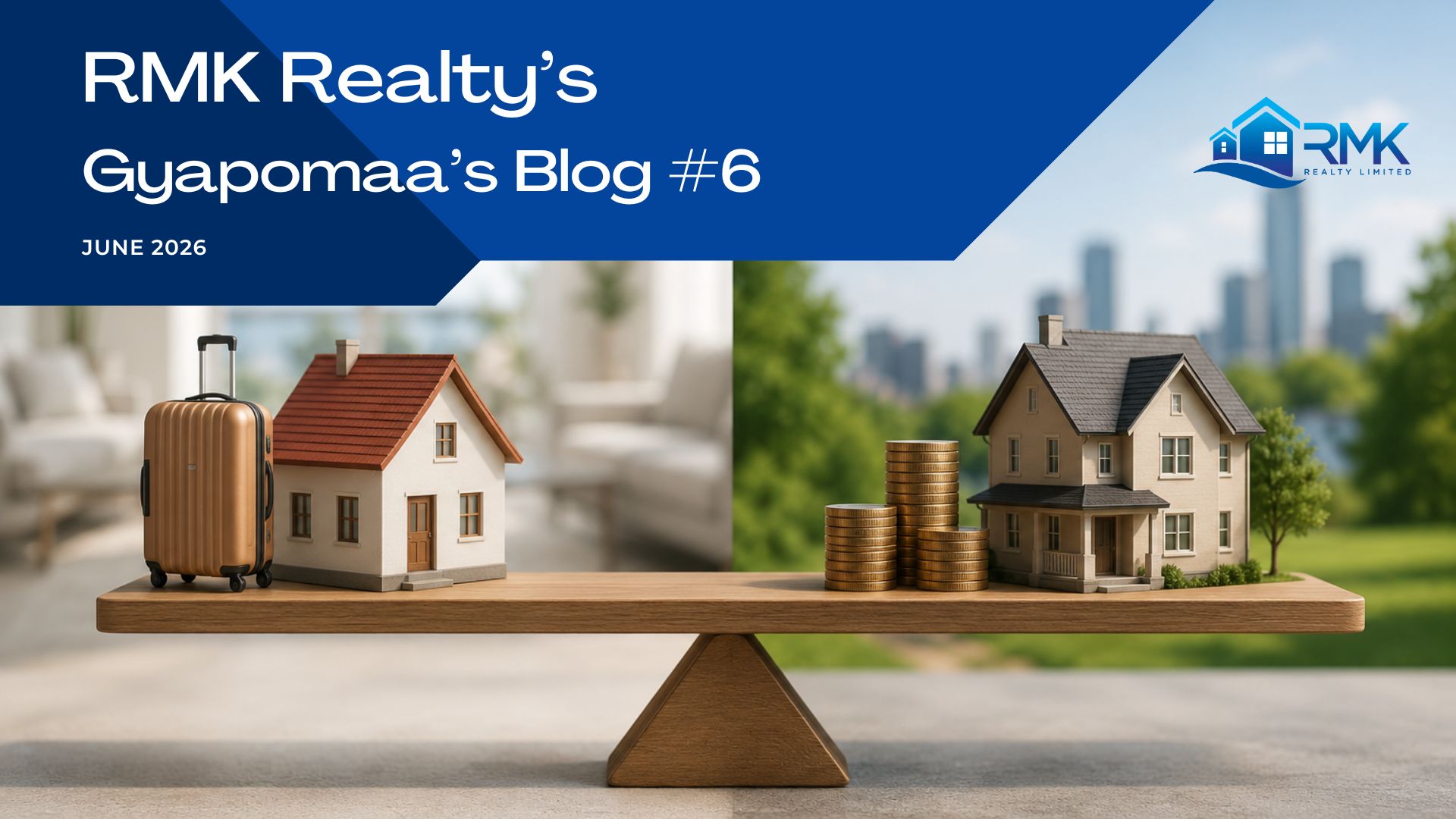
For property owners and investors in Ghana, choosing between short-term and long-term rentals is one of the most important decisions to make. Both rental strategies can generate income and build wealth, but they offer different benefits and challenges. Whether you own an apartment in Accra, a house in Kumasi, or a property in a growing residential area, understanding the differences between these two rental models can help you make the best investment decision.
Short-term rentals are properties rented out for brief periods, ranging from a few days to several weeks or months. This type of rental has become increasingly popular in Ghana, particularly in areas that attract business travellers, expatriates, and tourists. Many property owners are drawn to short-term rentals because they often have the potential to generate higher returns than traditional rental arrangements. Since rates can be adjusted according to demand, owners can take advantage of peak travel seasons, conferences, and major events to maximise their earnings.
Another advantage of short-term rentals is flexibility. Property owners can decide when to make the property available and when to reserve it for personal use. They also have the freedom to change pricing regularly in response to market conditions. This flexibility can be appealing for investors who want greater control over their assets and revenue streams.
However, higher income potential often comes with greater responsibility. Managing a short-term rental requires constant attention. Property owners or managers must handle bookings, communicate with guests, arrange cleaning services, maintain the property, and ensure a positive guest experience. Occupancy levels can also fluctuate throughout the year, meaning income may not always be predictable. In addition, expenses such as utilities, internet services, maintenance, and cleaning costs are usually borne by the property owner, which can reduce overall profits.
Long-term rentals, on the other hand, involve leasing a property to a tenant for an extended period, often six months, one year, or even longer. This has traditionally been the preferred rental model for many landlords in Ghana because it provides stability and predictable income. Once a reliable tenant signs a lease agreement, the property owner can generally expect consistent monthly rent payments, making it easier to plan finances and manage cash flow.
One of the biggest benefits of long-term rentals is the reduced management burden. Unlike short-term rentals, landlords do not need to deal with frequent guest turnover, regular cleaning schedules, or constant booking inquiries. In many cases, tenants are responsible for paying utility bills and handling minor day-to-day upkeep, helping to lower operating expenses for the property owner.
Despite these advantages, long-term rentals may generate lower overall income compared to a successful short-term rental in a high-demand location. Rental rates are typically fixed for the duration of the lease, limiting the owner’s ability to respond quickly to market changes. There is also the possibility of encountering tenant-related issues such as late payments, property damage, or disputes that may require legal intervention.
When deciding which option is better, location plays a significant role. Properties situated in prime areas such as East Legon, Airport Residential Area, Cantonments, Osu, and Labone may perform exceptionally well as short-term rentals because of strong demand from visitors and professionals. In contrast, properties located in residential communities with steady demand from families and working professionals may be better suited to long-term leasing arrangements.
The right choice ultimately depends on your investment goals. If your priority is maximising income and you are willing to actively manage the property or hire a management company, a short-term rental may be the better option. If you prefer stable cash flow, fewer management responsibilities, and greater predictability, a long-term rental may be more suitable.
Some investors are even finding success by combining both strategies. A property can be operated as a short-term rental during peak demand periods and later leased to a long-term tenant when market conditions change. This hybrid approach allows property owners to balance profitability with stability while adapting to market trends.
There is no universal answer to whether short-term or long-term rentals are better. Both models can be profitable when managed effectively. The key is to carefully evaluate your property’s location, expected demand, financial objectives, and management capabilities. By selecting the rental strategy that aligns with your goals, you can maximise returns and create a successful real estate investment in Ghana’s growing property market.
Check out our listings for properties available for rent and sale.


Join The Discussion