
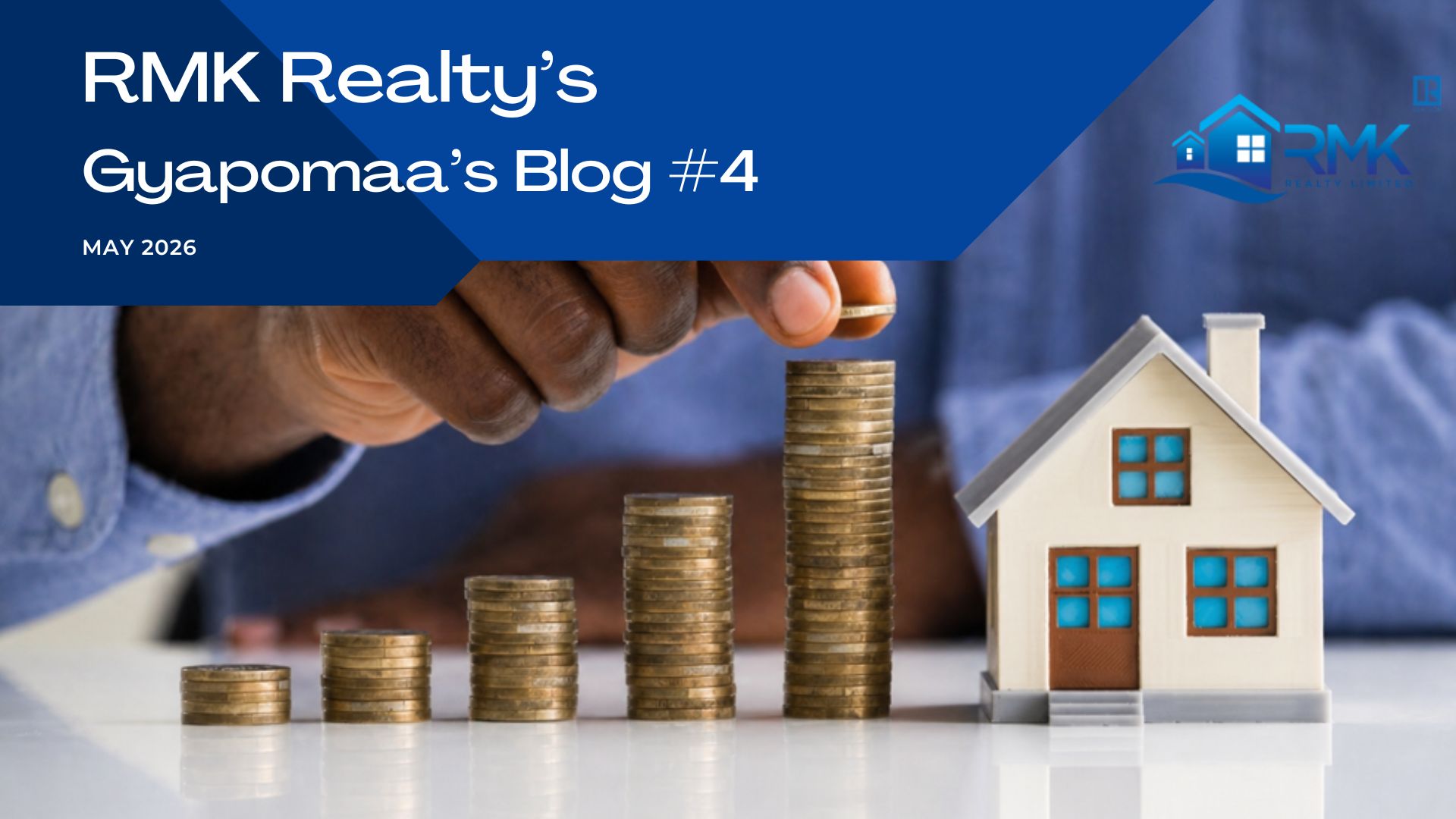
Real estate has long been regarded as one of the most dependable ways to build wealth, and in Ghana, the sector continues to expand due to rapid urbanisation, population growth, and an increasing demand for housing. Despite this, many people believe that investing in property requires a large amount of capital up front. In reality, it is entirely possible to enter the real estate market with limited funds if you approach it strategically and remain patient.
The first step to getting started is to define a clear investment strategy. Without a sense of direction, it is easy to make costly mistakes or lose focus. You need to decide whether your goal is to generate steady rental income, achieve quick profits through buying and selling, or hold property for long-term appreciation. For individuals with limited capital, focusing on affordable entry points such as land acquisition, shared rental units, or gradual building projects can make the process more manageable.
One of the most accessible ways to begin investing in Ghana’s real estate market is through land banking. This involves purchasing land in developing or peri-urban areas where prices are relatively low and holding onto it until its value increases. As infrastructure improves and communities expand, land in these areas often appreciates significantly. While this strategy requires patience, it allows investors to enter the market with less money compared to buying fully developed properties. However, it is essential to carry out proper checks on land ownership to avoid disputes or legal complications.
Another practical option for those with limited funds is to form partnerships or joint ventures. Real estate investment does not always have to be a solo endeavour. By pooling resources with friends, family, or trusted associates, you can collectively invest in opportunities that would otherwise be out of reach individually. In some cases, landowners are willing to partner with developers who can provide the funds needed for construction, with profits shared between both parties. Clear and legally documented agreements are crucial in such arrangements to prevent misunderstandings.
For those interested in construction, adopting an incremental building approach can be highly effective. Instead of waiting until you have enough money to complete an entire property, you can build in stages. This might involve purchasing land first, then laying the foundation, and gradually adding rooms or units over time as funds become available. This method reduces financial pressure and allows you to start your investment journey earlier rather than postponing it indefinitely.
Investing in affordable rental housing is another viable path. There is a strong and consistent demand for low-cost accommodation across many parts of Ghana, especially in urban and peri-urban areas. Simple housing units can generate reliable rental income without requiring the large capital associated with high-end developments. Over time, rental income can be reinvested to expand your property portfolio.
In addition to direct property ownership, joining a real estate investment group or cooperative can provide an alternative route into the market. These groups allow individuals to contribute smaller amounts of money toward larger projects, thereby spreading both the risk and the potential returns. This approach is particularly helpful for beginners who may not yet have the experience or resources to undertake projects independently.
Financing options can also play a role, although they should be approached with caution. Some financial institutions in Ghana offer mortgage plans or construction loans that can help bridge the gap between your available funds and the cost of investment. It is important to carefully evaluate interest rates and repayment terms to ensure they align with your financial capacity. Overextending yourself financially can turn a promising investment into a burden.
Another strategy worth considering is property or land flipping. This involves purchasing land or unfinished properties at relatively low prices, holding or improving them, and then selling at a profit. While this approach can generate quicker returns compared to long-term investments, it requires a good understanding of market trends and timing to be successful.
It is also possible to enter the real estate industry without immediately owning property. Engaging in related activities such as property management, brokerage, or short-term rental services can provide valuable experience and income. These roles can help you build capital and industry knowledge, positioning you to make more informed investment decisions in the future.
Regardless of the approach you choose, due diligence is essential in Ghana’s real estate market. Issues related to land ownership and documentation are common, and failing to verify details can result in significant financial loss. Working with qualified professionals, conducting proper title searches, and avoiding deals that seem unusually attractive are critical steps in protecting your investment.
In conclusion, starting a real estate investment journey in Ghana with little capital is not only possible but also practical with the right mindset and strategy. By beginning with small, manageable steps and remaining consistent, you can gradually build a solid portfolio over time. Real estate rewards patience and careful planning, and those who start early are often best positioned to benefit from the sector’s long-term growth.


Join The Discussion